
St. Louis has long been a city built on movement, commerce, and connection. From busy highways that carry thousands of commuters each day to thriving neighborhoods and business districts, life here depends on people being able to travel, work, and care for their families without unnecessary disruption. When a serious car accident occurs, however, that stability can disappear in an instant. Victims are often left facing not only painful injuries but also mounting financial pressure, uncertainty about the future, and difficult conversations with insurance companies.
Understanding what compensation may be available becomes an important step toward rebuilding after a crash. Recovering damages is about more than repairing a vehicle or paying a hospital bill; it is about addressing the full impact an accident has on a person’s health, livelihood, and quality of life. For many injured individuals, working with a St. Louis car crash lawyer can help identify losses that might otherwise be overlooked and pursue the financial recovery needed to move forward with confidence.
Early Case Review
A prompt legal review can clarify which losses may be claimed, how the fault rules apply, and what evidence needs to be preserved. With a car crash lawyer, an injured person can organize medical records, proof of wages, crash photos, repair estimates, and symptom notes before an insurer assigns an early value.
Emergency Care Costs
Emergency losses may include ambulance transport, trauma evaluation, imaging, blood work, medication, wound care, and same-day specialist consultation. These charges can build quickly.
Itemized bills, discharge summaries, and physician notes help show why urgent treatment was medically necessary. Follow-up instructions also link immediate findings to care later.
Ongoing Medical Treatment
Recovery may require orthopedic visits, physical therapy, injections, surgery, counseling, pain management, or neurological evaluation. Soft tissue injuries can remain painful for months.
Clinical notes are important. They may document reduced range of motion, nerve symptoms, sleep disruption, medication effects, and limits on lifting, standing, driving, or working.
Future Health Needs
Some injuries create long-term medical demands. A person may need additional surgery, mobility equipment, prescription medication, home assistance, or extended rehabilitation.
Future damages often depend on professional opinion. Doctors can estimate likely treatment, expected costs, functional decline, and how symptoms may change as the body ages.
Lost Pay
Missed wages may be recoverable when appointments, rest, surgery, or physical limits keep someone away from employment. Proof varies by job type.
Hourly workers may use schedules and pay stubs. Salaried employees, contractors, and business owners often need tax records, invoices, payroll reports, or employer statements.
Reduced Earning Ability
Some people return to work with lasting restrictions. Chronic pain, weakness, dizziness, vision problems, or anxiety may limit hours, tasks, advancement, or job options.
This damage category looks beyond current pay. It considers future earnings, lost benefits, retraining needs, career limits, and reduced retirement contributions.
Property Damage
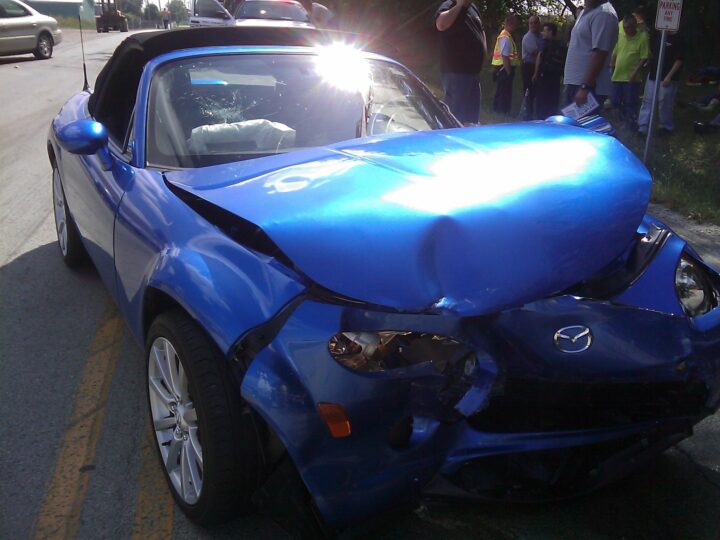
Vehicle repair or replacement is often included. A claim may also cover towing, storage, rental fees, child seats, phones, glasses, and damaged belongings.
Photographs, repair invoices, and market comparisons can support value. These records are useful when an insurer disputes whether a vehicle is repairable or totaled.
Pain and Suffering
Pain and suffering cover physical harm that does not appear on a bill. Neck pain, headaches, nerve burning, scars, stiffness, and fatigue can reshape daily life.
A symptom journal may help. Brief notes about sleep, mobility, medication side effects, and activity limits can reveal patterns that medical charts may miss.
Emotional Harm
A crash can leave fear, panic, irritability, sadness, nightmares, or anxiety during travel. Mental health treatment may help address this aspect of the damage.
Relatives may notice changes first. Statements about mood, sleep, social withdrawal, concentration, and household strain can help explain how trauma affects home life.
Loss Of Enjoyment
Injuries may interrupt exercise, hobbies, travel, religious services, family events, or community routines. These losses matter because health includes participation.
Useful proof can include calendars, activity records, photos, messages, or witness statements. Specific examples make this harm easier to evaluate.
Home and Daily Help
An injured person may need help with bathing, cooking, cleaning, childcare, transportation, laundry, yard work, or errands. Paid assistance can be documented through invoices.
Unpaid family support may matter, too. Notes should identify who helped, what tasks were done, and how often assistance was required.
Out-Of-Pocket Expenses
Smaller costs can accumulate during recovery. Parking, mileage, co-pays, braces, bandages, over-the-counter medicine, medical equipment, and prescription refills may qualify.
Receipts and appointment logs are worth keeping. Organized proof helps prevent these expenses from being overlooked during settlement review.
Wrongful Death Damages
Fatal collisions may allow surviving relatives to seek funeral expenses, burial costs, lost financial support, and loss of companionship.
These claims follow special legal rules. Guidance can help families identify eligible claimants, filing deadlines, and damages tied to financial loss and personal grief.
Why Evidence Matters
Insurers evaluate records more than memory. Strong proof can connect injuries, treatment, missed work, repair costs, and personal harm to the collision.
Helpful evidence includes photographs, police reports, medical notes, bills, wage records, repair estimates, and witness details. Early collection protects facts before memories fade.
Conclusion
Car crash damage can extend far beyond the vehicle itself. Medical bills, lost earnings, future care, pain, emotional distress, daily assistance, and family losses may all shape recovery. Legal help brings order to records, deadlines, and valuation disputes. A well-supported claim gives injured people a stronger chance to pursue payment that reflects the full effect of the crash, both during recovery and in the years ahead.