
When Meta released the first Ray-Ban model, we all thought that was the peak of smart glasses, but obviously, better was up ahead. The smart glass market has matured into a big-time industry with fully-suited models that can do a whole lot. Integrating AI function
From integrating technologies such as built-in sensors, trackpads, cameras, and projectable displays to augmented reality (AR) features and AI assistants, smartglasses are no longer an “accessory” but complete devices. These glasses can now map your environment and translate pages in real time.
The 7 Best AI Smart Glasses to Buy Right Now
Here are 7 of the best AI Smart Glasses for tech enthusiasts and regular users alike. It’s ranked by looking at the glasses’ Intelligence, features, and Specifications. Well, these smart AI glasses aren’t very cheap; the best affordable ones sit around $300 approximately, with some higher-end models crossing $500.
1. Ray-Ban Meta Gen 2 (starting from $379)
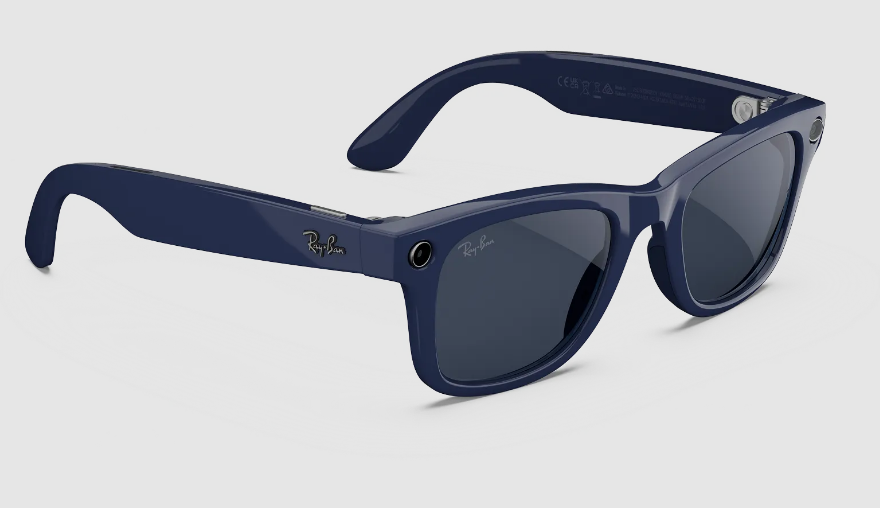
Starting off with the Ray-Ban Meta Gen 2, which is the gold standard of wearable AI glasses right now. It’s what most people picture when they think of smart glasses. These Gen 2 Ray-Bans look completely normal, extremely light, and pack a handful of AI capabilities integrated directly. The major downside of Ray-Bans is the heavy integration with Meta and Facebook.
But having that aside, the Ray-Ban Meta 2 comes with a much better battery than the first gen, which can last up to six hours. The integrated 12MP camera shoots in 3K resolution instead of Full HD, with improved low-light performance and HDR support. The Meta AI integration is what brings it to this list mainly; you point at something and ask a question like “What’s this plant?”, and you get an answer in seconds through the built-in speakers.
The glasses also offer live translation across 100+ languages and integrate with other Meta products. However, some users allege that the hinges on these glasses loosen quickly after a few times wearing them. The Ray-Ban Meta Gen 2 starts at $379 for the base Wayfarer model and can reach $459 depending on frame finish and lens choice. Precision lenses are available, too.
2. XREAL One Pro (starts from $599)
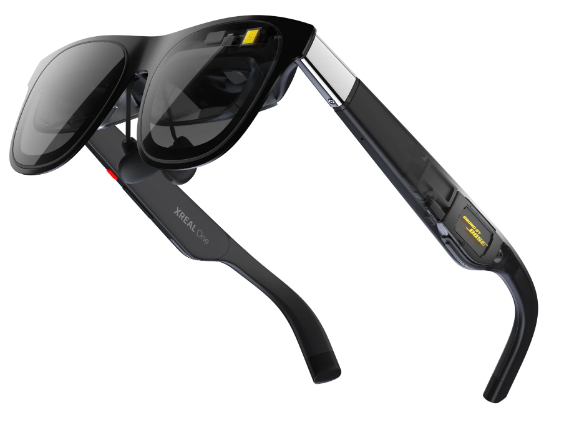
The XREAL One Pro is considered by many techies to be the most advanced AI smart glasses for advanced users. This piece of tech supports up to 57-degree FoV (the widest in the niche at the moment) with integrated 3DOF tracking, which basically replaces traditional multi-monitor setups by shooting out AR virtual desktops that are easy to manage and utilize. The “Widescreen Mode” shoots a 171-inch virtual 3,840-by-1,920 desktop.
The XREAL One Pro is like wearing a full cinema-grade screen in your eye. To make things more interesting, the brightness reaches 700 nits through the optical stack. The glasses are powered by the X1 custom chip and conceal Bose Audio speakers. Also, you can get the XREAL Eye accessory ($99, sold separately) to add 1080p 60fps video recording capability and 6-DoF tracking.
The thing is, the XREAL One Pro is more built for movie lovers and gamers than everyday AI glasses users; they require a USB-C connection to a phone or computer to work. More like PC VRs of VR headsets that required wired connections to run. Also, the AI capability is not integrated; you need the Eye accessory to enable that and access the camera features too.
3. Rokid Glasses (starts from $299)
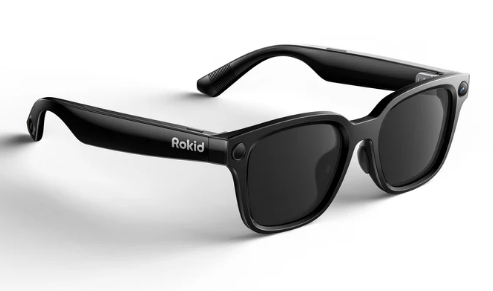
Coming from the Chinese brand, Rokid, this pair of AI glasses looks almost normal while packing an actual display for notifications, translations, and AI responses. Weighing just 49g, they’re lighter than they should be. The Roki AI Glasses feature a dual micro-LED display that only lights up when you need it and offers real-time translation across 89 languages, displaying translated text directly on the lenses while also reading it aloud through the built-in speakers.
These glasses are equipped with a 12MP Sony sensor that captures 4K at 30fps. It supports a multi-modal AI approach, which means you can switch between different AI services like ChatGPT, Gemini, and Qwen in real-time, thanks to the cutting-edge Qualcomm AR1 processor. The 210mAh battery is quite a solid one; it can run up to 8hrs and there’s an optional 3,000mAh case for extended use.
However, some of its integration features, like Alipay, only work in certain regions. But, for the price, this is inarguably one of the best options in the market right now. Yeah, it runs with the companion app, which is available for Android and iOS devices. Prescription lenses are equally available.
4. Oakley Meta Vanguard (Starts from $499)
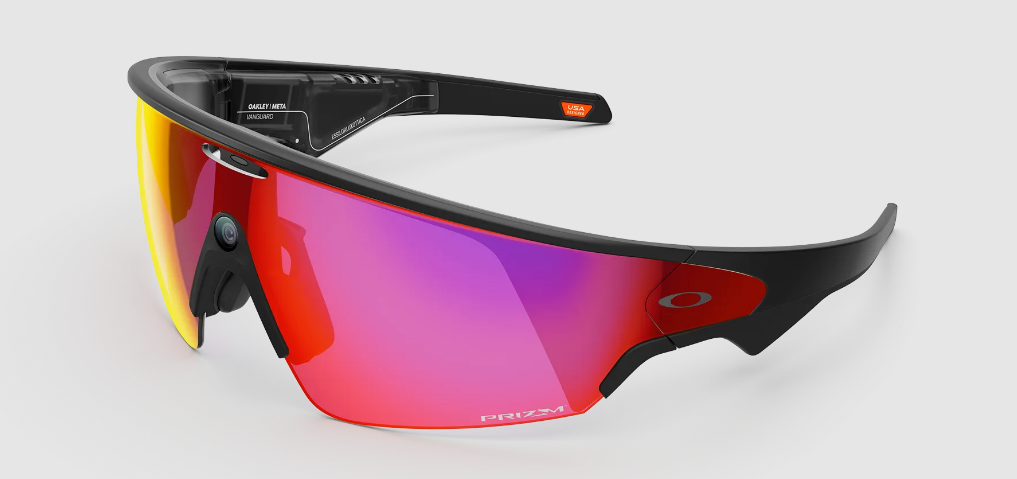
The Oakley Meta Vanguard could be the sportiest AI smart glasses on this list. Meta made these glasses to remain stable even while running in the rain, and for that, they’re fully waterproofed and dustproof – though for all weather conditions. This Vanguard model features a center-mounted 12MP camera that shoots 3k videos with unmatched stabilization, instead of side-mounted cameras as featured by other AI smart glasses.
Of course, these glasses integrate with Meta’s AI platform to optimize your workouts, suggest pacing changes as you run, or highlight performance metrics for your activity on the fly. The speakers are six decibels louder than older Oakley models, and the mic array does a genuinely impressive job filtering wind noise; you can actually take calls while moving or running.
This one is specially built for cyclists, runners, and hikers, with a wraparound design to fit, a unified Prizm lens, and a three-point fit system that locks the glasses onto your head even during intense workouts. The IP67 dust and water resistance rating is the highest Meta has achieved so far. The main downside of this one is its obvious design; it definitely doesn’t look like an everyday spectacle. Plus, the battery charging case is chunky and won’t fit easily in your jersey pocket.
Trust me, it’s definitely an upgrade to whatever smart wearable you have around your desk now. It’s also a good buy for someone who’s just trying out AI smart glasses for the first time.
5. RayNeo Air 4 Pro (Starts from $299)
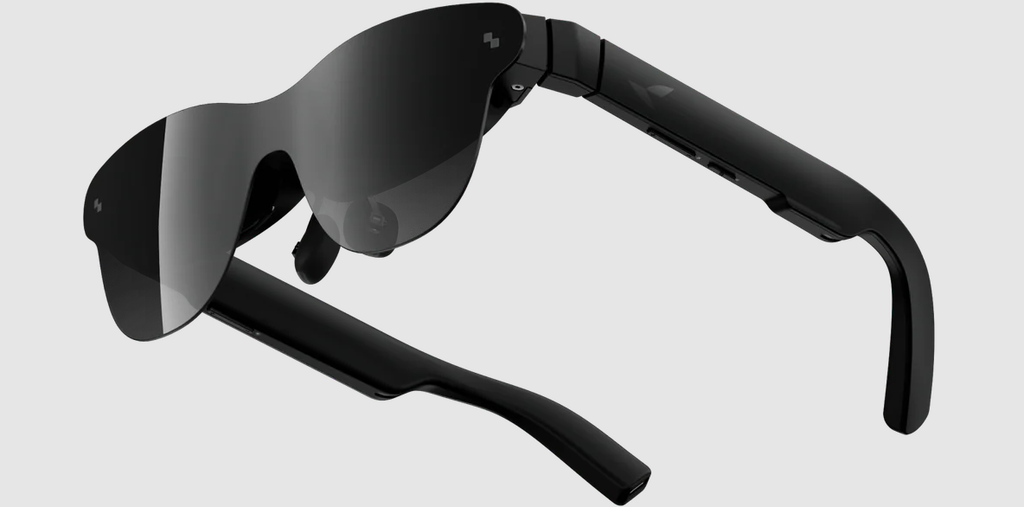
Here’s another top guy on the list, the RayNeo Air 4 Pro, which is the world’s first AR glasses with HDR10 display support. The Micro-OLED display handles 10-bit color with 1,200 nits of brightness, delivering a contrast ratio of 200,000:1. When watching HDR content on these, the jump in visual quality compared to standard AR glasses is immediately noticeable.
But, design-wise, these aren’t the fanciest. It runs with a custom Pixelworks Vision 4000 processor, said to intelligently upscale standard videos to HDR in real-time, and convert 2D content into 3D using AI. For gaming, that means even older games get a visual refresh when viewed through these glasses. This pair of smart glasses shoots up to a 201-inch virtual screen with a 6m distance and integrates Bang & Olufsen-tuned speakers for audio.
You may not like that these glasses have to remain tethered to a device via USB-C to function; they’re not standalone smart glasses. Also, you’re not getting onboard AI, cameras, or sensors beyond what’s needed to project your phone or laptop screen virtually, up to 120 inches. For the price, this could be a worthwhile compromise for some.
6. Even Realities G2 (Starts from $599)
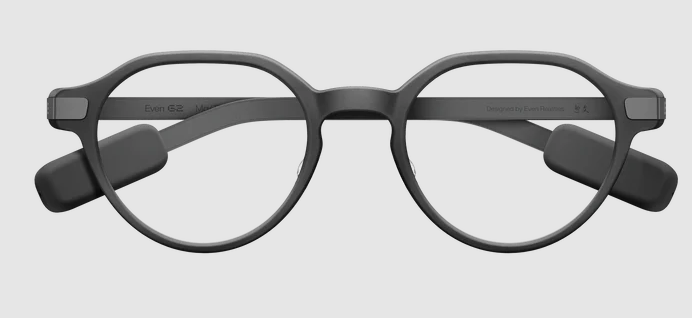
The real catch with this pair of glasses is their simplicity and actual appearance, like normal glasses. Even Realities G2 is the second generation, actually, featuring a microLED display but with an intentionally narrow field of view. The AI integration is native, so you can interact in real-time and translate between 35 languages right in your line of sight.
The Even Realities G2 is built for all-day wear, prepped for professional conversations, personal connections, and real-life moments. Think of it as a heads-up display showing a few lines of text rather than a bogus overlay display; the AI responses appear crisp and clear in a manner that makes them easy to view and read. You wake up the AI with “Hey, Even.”
This smart glass brings your phone notifications closer; you never have to reach for your phone while outdoors, and still get to keep absolutely in touch with all your notifications, calendar schedules, and other stuff. Of course, you need to sync it with the companion app to unlock all these features. It lacks a camera, by the way.
7. Vuzix Z100 (B2B based custom pricing)
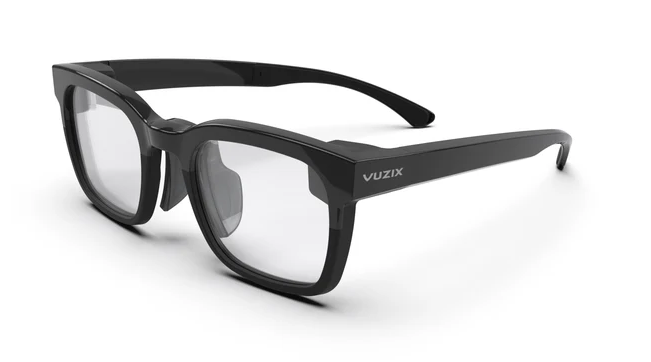
Well, this one’s for enterprises; it runs on the Android OS platform and integrates with business solutions like TeamViewer, Scope AR, and others. This is purely designed for businesses where hands-free operations are rampant; it’s not your typical AI smart glasses for personal use. The Z100 has a molecular display and can be used for barcode scanning or remote assistance.
The molecular display helps with depth perception and reduces eye strain during long shifts. Vuzix also partners with enterprise software companies for seamless integrations. The core perspective here is that the Vuzix Z100 is a smart glass and uses AI, however, for business operations, rather than daily personal operations. Vuzix promises the battery on these glasses lasts up to 2 days when fully charged.
Conclusion
These are the best AI smart glasses of 2026 with AI features for everyday personal or business use. Most of them look practically like normal glasses, while for some, it could be obvious that they are not “typical” glasses. Regardless, they provide you with smart AI features that come in handy for various needs.
Features such as quick language translation for tourists and travellers, image interpretation, and audible speakers are common with the listed models.