
Campaign management has evolved from simple, manual processes into complex, multi-platform operations. Many organizations now deploy and monitor campaigns across multiple digital channels simultaneously, increasing both scale and complexity. As a result, managing campaigns manually can quickly become inefficient, especially for businesses operating at speed or across regions.
Understanding automation in campaign management
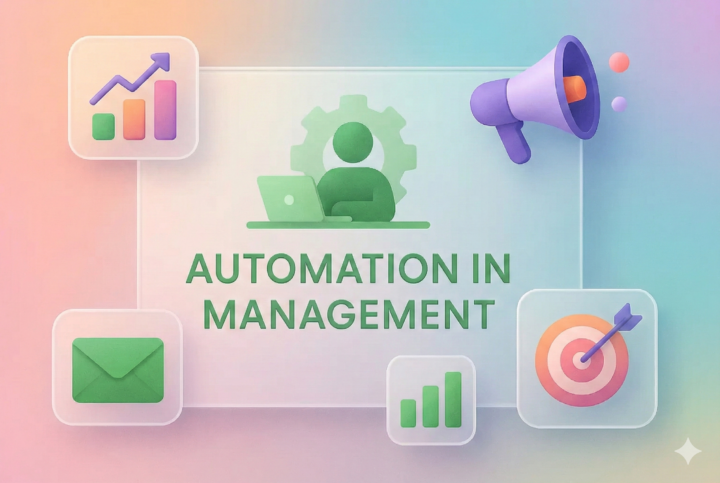
Automation addresses this challenge by streamlining and coordinating the many tasks involved in campaign execution. With automated systems, teams can upload content, schedule placements, monitor engagement, and analyze performance from a centralized environment.
This approach can be seen in a marketing agency for Amazon, for example, which often relies on dedicated software platforms to manage campaigns efficiently while maintaining accuracy and consistency at scale.
Process orchestration as the foundation of automation
Process orchestration is a critical component of successful automation. It refers to the coordination and sequencing of automated tasks into a single, cohesive workflow. Rather than managing disconnected systems, orchestration brings multiple tools and processes together into a unified structure.
When each stage of a campaign—from development to launch to optimization—is connected, management becomes simpler and more efficient. Repetitive tasks such as reporting, data collection, and performance monitoring can be automated, freeing teams to focus on analysis, creative strategy, and decision-making.
Transitioning to automation and process orchestration
Moving from manual processes to automation can feel like a significant shift. However, the gains in efficiency, accuracy, and scalability make this transition worthwhile.
The first step is assessing your organization’s needs. Define your campaign objectives, understand the platforms you operate on, and evaluate the volume and complexity of your content. Choosing a system that aligns with these requirements is essential for long-term success.
Next, prioritize solutions that are user-friendly and adaptable. Your team should be able to navigate the system easily, and the platform should integrate seamlessly with existing tools. Flexibility is also critical, allowing workflows to evolve as campaign strategies and business needs change.
Scaling campaign management strategically
Once automation and orchestration are in place, scaling becomes a more manageable and controlled process. Scaling is not simply about increasing reach; it requires continuous evaluation, performance measurement, and workflow refinement.
Real-time data plays a vital role in this phase. Automated systems should deliver timely insights into campaign performance, helping teams identify trends, spot inefficiencies, and make data-driven adjustments. This visibility ensures that campaigns remain effective even as volume and complexity increase.
Ensuring long-term success with automation
Sustainable success with automation and process orchestration depends on people as much as technology. Teams must understand how to work alongside automated systems, which often requires redefining roles and investing in training.
Equally important is a commitment to continuous improvement. Automation is not a one-time implementation but an evolving process. Regular reviews of system performance, workflow efficiency, and campaign outcomes help ensure that your approach continues to meet changing demands.
Conclusion
Automation and process orchestration work together to transform campaign management, delivering greater efficiency, accuracy, and smarter resource allocation.
By thoughtfully implementing these tools and continually refining their use, organizations can scale campaign management with confidence while maintaining control, consistency, and performance.