
A strong Shopify store is not built on products alone. The way a store looks, feels, and functions has a major impact on trust, browsing behavior, and sales. When a shopper lands on a website, small details such as layout, typography, product pages, navigation, and mobile performance can influence whether they stay, explore, and eventually make a purchase.
This is why many store owners ask the same practical question: How do I find out what Shopify theme a competitor is using?
Understanding the theme behind a successful store can help merchants make better design decisions for their own business. It does not mean copying another brand. Instead, it means learning what works in a specific market and using those insights to build a more polished, competitive, and conversion-focused Shopify store.
Why Shopify Themes Matter
A Shopify theme is the foundation of an online store’s design. It controls the structure of the homepage, product pages, collection pages, cart experience, and mobile layout. It also influences how fast the store loads, how easy it is to navigate, and how professional the brand appears to potential customers.
Choosing the right theme is more than a visual decision. A beautiful store that loads slowly or feels confusing on mobile can lose sales quickly. On the other hand, a clean, fast, and well-organized theme can make the shopping experience smoother and more trustworthy.
For new merchants, studying competitors can be especially useful. If several successful stores in the same niche use similar layouts, product galleries, filters, or homepage structures, that may reveal what customers in that market expect. This kind of research can help a business avoid unnecessary guesswork when choosing or customizing a theme.
How to Identify a Competitor’s Shopify Theme
There are a few ways to find out what Shopify theme a competitor is using. One option is to inspect the website’s source code and look for theme-related information. This method can work, but it is not always simple. Some stores use customized themes, renamed theme files, or code changes that make the original theme harder to identify.
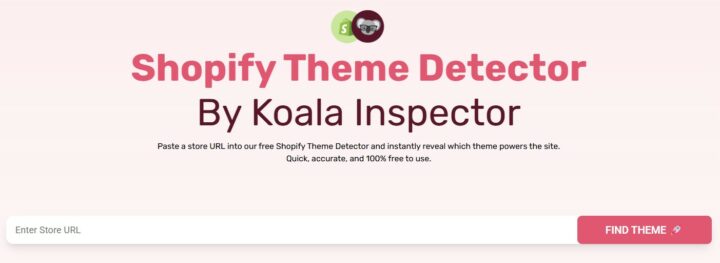
For most business owners, using a dedicated Shopify theme detector is the easier option. These tools scan a Shopify store and provide information about the theme, including whether it appears to be a public theme, a customized version, or a custom-built design.
Tools such as Koala Apps can help simplify this process by detecting Shopify themes and revealing useful details about a store’s structure. This gives merchants a clearer view of how a competitor’s site is built, without needing advanced technical knowledge.
What Theme Detection Can Reveal
Finding the theme name is helpful, but it is only part of the picture. A competitor’s success usually comes from a combination of design, functionality, branding, product strategy, and marketing.
When researching a Shopify theme, it is useful to look at details such as:
- The homepage layout
- Product page structure
- Collection page filters
- Mobile navigation
- Cart and checkout experience
- Image placement
- Review sections
- Upsell and bundle areas
- Site speed and overall usability
A theme may provide the framework, but third-party apps often add the features that make the store more effective. Loyalty programs, product reviews, subscriptions, countdown timers, advanced search, product recommendations, and email capture forms are often powered by apps rather than the theme itself.
That is why the best competitive research looks beyond design. A merchant should ask not only which theme a competitor is using, but also how that theme works together with apps, content, offers, and user experience.
Why You Should Not Simply Copy a Competitor
Once you discover a competitor’s theme, it can be tempting to recreate the same look. That is rarely the best strategy.
A competitor’s design works because it fits their brand, products, audience, pricing, and marketing funnel. Your store needs to reflect your own identity and customer expectations. The goal is to understand what makes the design effective, then adapt the best ideas in a way that feels original and relevant to your brand.
For example, you might notice that a competitor uses a clear product gallery, simple navigation, strong customer reviews, or a sticky add to cart button. These are useful insights. But the colors, copy, imagery, and positioning should still be unique to your business.
Competitive research should guide your decisions, not replace your creativity.
How Theme Research Supports Better Store Design
Knowing what Shopify theme a competitor uses can help you make smarter investments. If a leading store in your niche uses a premium theme with strong mobile performance, that may suggest that customers in your market expect a polished shopping experience. If another store uses a custom-built theme, it may signal a higher level of design investment.
This information can help you decide whether to start with a standard Shopify theme, purchase a premium theme, or invest in custom development. It can also help you avoid choosing a theme based only on appearance. Speed, flexibility, mobile usability, and app compatibility all matter.
A good theme should support your business goals. It should make products easy to browse, create a smooth path to purchase, and help customers feel confident buying from your store.
So, How Do I Find Out What Shopify Theme a Competitor Is Using?
The easiest way is to use a Shopify theme detector or store analysis tool. These tools can quickly identify whether a competitor is using a known Shopify theme, a modified theme, or a custom design. They can also help reveal other useful details about the store’s setup.
For merchants who want to compete seriously, theme research is a valuable part of building a stronger Shopify store. It helps uncover design patterns, customer expectations, and technical choices that may influence performance.
In the end, the right theme is not just about creating a good-looking website. It is about building a reliable foundation for your brand, your products, and your customers. By studying successful competitors and using tools such as Koala Apps to understand how their stores are built, merchants can make better design choices and create Shopify stores that are more professional, more user-friendly, and better prepared for growth.