
Let’s face it, nobody wants to sit next to a wall outlet for an hour waiting for their phone to charge (when there are lots of really fast charging smartphones out there). That era is slowly dying, and 2026 is probably the year it finally gasps its last breath.
Fast charging technology has exploded in the last few years, and today’s fastest phones can go from a near-dead 1% to a full 100% in under 30 minutes, or at most, 45 minutes. Some can do it in under 20, too. A few ridiculously fast ones can do it in less than 10.
Now, what makes a phone charge fast? It’s not just about a big number slapped on the box. Fast charging works through a combination of higher voltage, higher amperage, and a good charger.
However, there are certain protocols under the hood, such as the Qualcomm Quick Charge, VOOC/SuperVOOC (from Oppo/OnePlus), HyperCharge (Xiaomi), FlashCharge (iQOO/vivo), and UltraDart (Realme); each one of these fast charge protocols pushes power delivery in its own clever ways.
The 10 Fastest Charging Smartphones of 2026
Here, we’ve rounded up the 10 fastest charging phones you can actually buy in 2026, with a deeper look at what powers their charging speeds, full specs, and what else makes each device worth your money (or not).
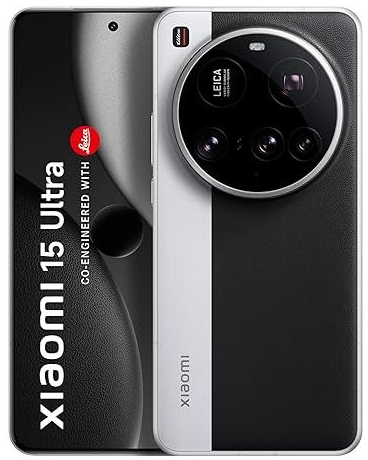
1. Xiaomi 15 Ultra
- Display: 6.73-inch LTPO AMOLED, 120Hz
- Chipset: Qualcomm Snapdragon 8 Elite (3nm)
- RAM: 12GB / 16GB
- Storage: 256GB / 512GB / 1TB
- Rear Cameras: Leica quad-camera (50MP main + 50MP periscope telephoto + 50MP ultrawide + 50MP portrait)
- Battery: 5,410mAh silicon-carbon
- Charging: 90W HyperCharge wired, 80W wireless, 10W reverse wireless
- OS: Android 15 (HyperOS 2)
- IP Rating: IP68
I personally love Xiaomi’s fast charge protocol. On the 15 Ultra, Xiaomi adds 90W HyperCharge for wired charging and 80W wireless charging, and that wireless speed is genuinely extraordinary, coming at a time when most flagship phones struggle to hit 25W wireless charging.
As expected, the phone uses a dual-cell battery architecture paired with Xiaomi’s proprietary HyperCharge chip. Each charging cycle is monitored at a granular level; voltage adjustments happen hundreds of times per second to keep temperatures in check while maintaining maximum current.
The battery itself is a 5,410mAh silicon-carbon cell, and it gets to 100% in about 25 minutes wired or under 35 minutes wirelessly. Xiaomi also includes a Surge Battery Management System with a P3 charging chipset and a G2 battery management chipset. Also, the Xiaomi 15 Ultra features a Leica-tuned quad-camera system.
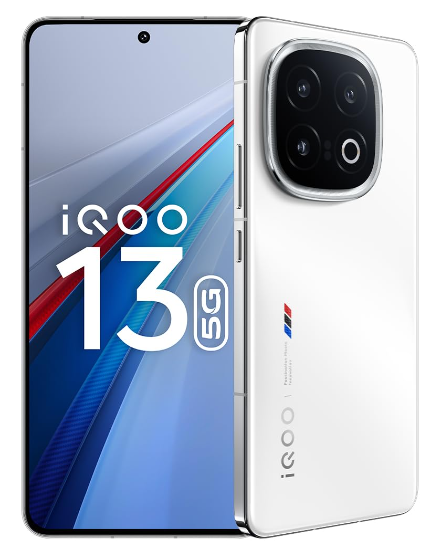
2. iQOO 13
- Display: 6.82-inch LTPO AMOLED, 144Hz
- Chipset: Qualcomm Snapdragon 8 Gen 3 (4nm)
- RAM: 12GB / 16GB
- Storage: 256GB / 512GB
- Rear Cameras: 50MP main + 50MP telephoto + 64MP ultrawide
- Battery: 6,150mAh
- Charging: 120W FlashCharge wired, 50W wireless
- OS: Android 15 (OriginOS / FuntouchOS)
- Extras: Dedicated Q1 gaming chip, VC liquid cooling
iQOO, Vivo’s sub-brand, is quietly becoming one of the go-to choices for high-performance, fast-charging smartphones. The iQOO 13 offers 120W FlashCharge support and a very capable 6,150mAh battery; it is advertised to go from 1% to full charge in under 19 minutes, “under ideal conditions.”
The FlashCharge protocol uses a dual-engine charging system that pushes high current directly to the battery through twin charging ICs on the board. This reduces the internal resistance path and limits heat generation. The iQOO 13 also adds 50W wireless charging.
Even so, the iQOO 13 is built as a gaming phone in spirit; it packs a dedicated Q1 chip for esports performance and features a 144Hz LTPO AMOLED display that renders frames beautifully under load, driven by the Snapdragon 8 Gen 3 (4nm).
3. Realme GT7 Pro
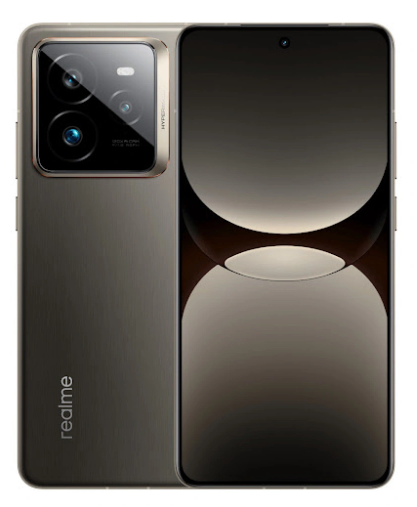
- Display: 6.78-inch LTPO Eco2 OLED, 144Hz, 6,000 nits peak brightness
- Chipset: Qualcomm Snapdragon 8 Elite (3nm)
- RAM: 12GB / 16GB
- Storage: 256GB / 512GB / 1TB
- Rear Cameras: 50MP main (Sony IMX906) + 50MP telephoto + 8MP ultrawide
- Front Camera: 16MP
- Battery: 6,500mAh silicon-carbon
- Charging: 120W SuperVOOC wired
- OS: Android 15 (Realme UI 6)
- IP Rating: IP69
Honestly, you can’t be talking about the fastest charging phones and ignore this one. Released in 2024, this Realme flagship device has been on top of the game in terms of fast charging, and no other device comes close at the moment.
The Realme GT7 Pro packs a 6,500mAh silicon-carbon battery, which is the largest battery Realme has ever put in a flagship. Silicon-carbon anodes allow for higher energy density than traditional graphite batteries, meaning you get more capacity in less physical space.
Combine that with 120W SuperVOOC wired charging, and you’re looking at a full charge in roughly 45 minutes, and that’s impressive for a battery that size. The SuperVOOC protocol, developed by Oppo (Realme’s parent group), uses a dual-cell architecture where the large battery is split into two parallel 3,250mAh cells that charge simultaneously, effectively halving the perceived charging resistance and dramatically reducing heat.
What else is worth knowing? The GT7 Pro is powered by Qualcomm’s Snapdragon 8 Elite (3nm) and features a stunning 6.78-inch Eco2 OLED display capable of hitting 6,000 nits peak brightness. It’s also certified IP69, which means it can survive high-pressure, high-temperature water jets.
4. Redmi Note 14 Pro+
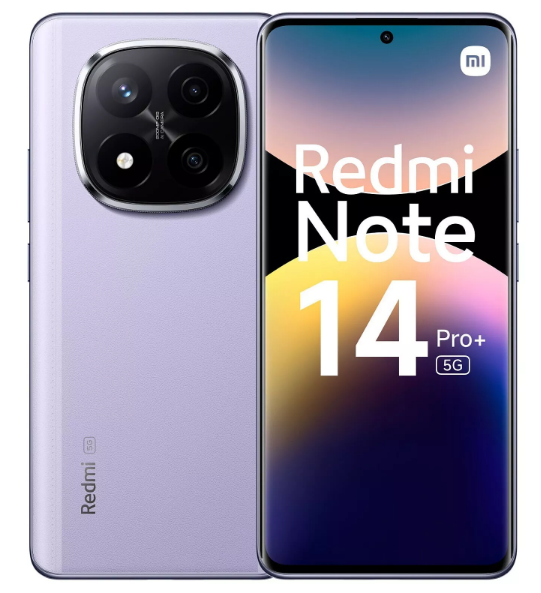
- Display: 6.67-inch AMOLED, 144Hz
- Chipset: Qualcomm Snapdragon 7s Gen 3 (4nm)
- RAM: 8GB / 12GB
- Storage: 256GB / 512GB
- Rear Cameras: 200MP main + 8MP ultrawide + 2MP macro
- Battery: 5,100 mAh
- Charging: 120W HyperCharge wired (charger included)
- OS: Android 14 (HyperOS)
Not every fast-charging smartphone has to be a flagship and cost a fortune; the Redmi Note 14 Pro+ is proof of that. This is Xiaomi’s mid-range powerhouse, and it comes with a genuinely impressive 120W HyperCharge setup, the same wattage found in far pricier flagships. A full charge from zero to 100% takes about 25 minutes.
The secret component here is a 5,110 mAh battery paired with HyperCharge’s dual-cell charging architecture. Interestingly, the Redmi Note 14 Pro+ hides the Snapdragon 7s Gen 3 chipset. It is a device for budget-conscious smartphone buyers who need a phone that charges like a premium device but costs a fraction of the price.
5. OnePlus 15
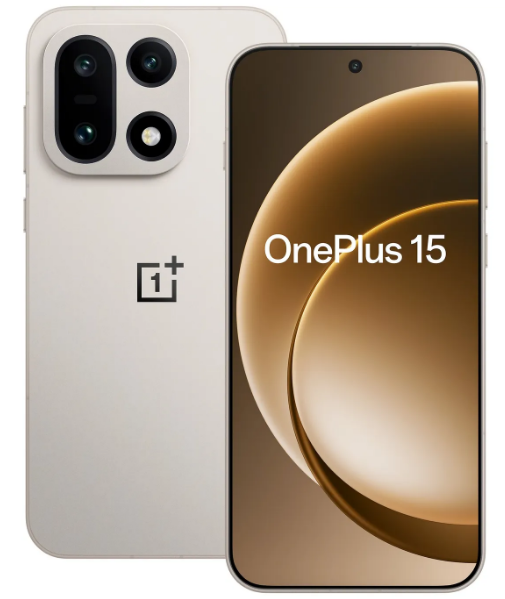
- Display: 6.78-inch LTPO AMOLED, 165Hz
- Chipset: Qualcomm Snapdragon 8 Elite (3nm)
- RAM: 12GB / 16GB
- Storage: 256GB / 512GB / 1TB
- Rear Cameras: 50MP Hasselblad triple camera
- Battery: 7,300mAh silicon-carbon
- Charging: 100W SuperVOOC wired (120W in select regions), 50W wireless
- OS: Android 16 (OxygenOS 16)
- IP Rating: IP69
OnePlus, for one, has built an identity around fast charging since the very early days of DASH Charge, and the OnePlus 15 is the most ambitious version of that vision yet. The phone packs a colossal 7,300mAh silicon-carbon battery, the largest ever put in a mainstream OnePlus flagship.
With the 100W SuperVOOC protocol, the OnePlus 15 charges to 100% in roughly 45 minutes with the original charger. Packing a 7,300mAh battery and charging it in 45 minutes is truly impressive! Well, the silicon-carbon anode is what makes this possible. OnePlus also adds 50W wireless charging to this guy.
The OnePlus 15 is a well-rounded flagship with Hasselblad-tuned cameras, a 165Hz LTPO AMOLED display, and OxygenOS 16 built on Android 16. It remains one of the best all-around Android phones you can buy today.
6. Oppo Find X8 Ultra

- Display: 6.82-inch LTPO AMOLED, 120Hz
- Chipset: Qualcomm Snapdragon 8 Elite (3nm)
- RAM: 12GB / 16GB
- Storage: 512GB / 1TB
- Rear Cameras: Quad 50MP Hasselblad cameras (main + 2x telephoto + ultrawide)
- Battery: 6,100mAh
- Charging: 100W SuperVOOC wired, 50W wireless
- OS: Android 15 (ColorOS 15)
- IP Rating: IP69
The Find X8 Ultra is Oppo’s 2025 flagship, and it rocks 100W SuperVOOC wired charging backed by Oppo’s advanced charge control system that makes 200 voltage adjustments per second. The result is a fast, cool charge that doesn’t stress the battery into early aging.
The device comes with a 6,100mAh battery that goes from flat to full in about 35 minutes. Oppo also includes 50W wireless charging, and the thermal management is excellent, thanks to a large vapor chamber and the intelligent power distribution pattern across the two internal charging chips.
More so, the Find X8 Ultra makes a strong case as a camera phone, packing four 50MP Hasselblad-tuned cameras, including two telephoto lenses, one of which is a periscope design supporting extremely high optical zoom. This phone appeals to content creators.
7. Honor Magic7 Pro
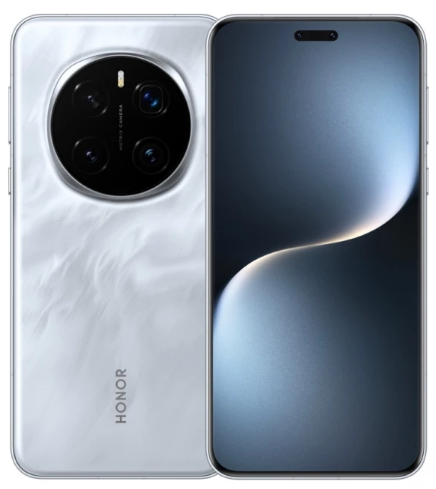
- Display: 6.8-inch LTPO OLED, 120Hz, 5,000 nits peak brightness
- Chipset: Qualcomm Snapdragon 8 Elite (3nm)
- RAM: 12GB / 16GB
- Storage: 256GB / 512GB / 1TB
- Rear Cameras: 50MP main + 200MP periscope telephoto + 50MP ultrawide
- Battery: 5,850mAh
- Charging: 100W wired, 80W wireless, 5W reverse wireless
- OS: Android 15 (MagicOS 9)
- IP Rating: IP68
Honor has been quietly putting together some of the most underrated smartphones on the market, and the Magic7 Pro may be its best effort yet in the charging department. It delivers 100W wired charging alongside an extraordinary 80W wireless charging, matching Xiaomi for the fastest wireless speeds available in 2026.
The charging architecture uses Honor’s proprietary SuperCharge protocol, which applies multi-step constant current charging with real-time thermal feedback loops. The battery is a 5,850mAh cell unit, hits full capacity in under 32 minutes wired and just under 45 minutes wirelessly. The device also supports 5W reverse wireless charging for topping up your earbuds or smartwatch.
Media-wise, the Magic7 Pro packs a 200MP periscope telephoto camera, which delivers stunning long-range photography that rivals dedicated camera phones. The Snapdragon 8 Elite inside is world-class, and MagicOS offers a clean and polished Android experience. A very compelling all-rounder if you ask me.
8. Huawei Pura 80 Ultra
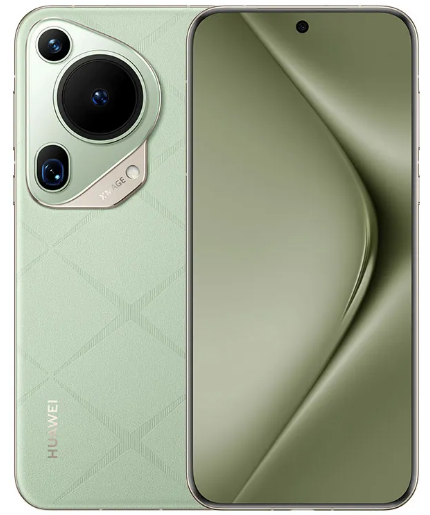
- Display: 6.8-inch LTPO OLED, 120Hz
- Chipset: Kirin 9030 (proprietary, TSMC 4nm)
- RAM: 16GB
- Storage: 512GB / 1TB
- Rear Cameras: Leica quad-camera system
- Battery: 5,170mAh
- Charging: 100W wired, 80W wireless
- OS: HarmonyOS 5
- IP Rating: IP68
Huawei’s not retired, regardless of whatever you hear about them, na its Pura series? You really should experience one of its offerings. The Pura 80 Ultra is an absolute powerhouse; what it lacks in numbers for its battery capacity, it adds in technologies for keeping you powered on at all times.
The device supports a 100W wired charging, and does a full charge in under 40 minutes. Apparently, the charging system is built around Huawei’s custom Kirin chipset platform and is tightly integrated with HarmonyOS for intelligent charge scheduling. The system learns your daily usage patterns and slows the charge rate during overnight charging to protect long-term battery health, a smart balance between speed and longevity.
Of course, the big caveat here is access. Huawei devices don’t support Google Play Services, meaning you’re working within Huawei’s AppGallery ecosystem. For users in regions where Huawei is a mainstream option, this is a top-tier device. For everyone else, it’s more of a fascinating footnote.
9. Samsung Galaxy S26 Ultra
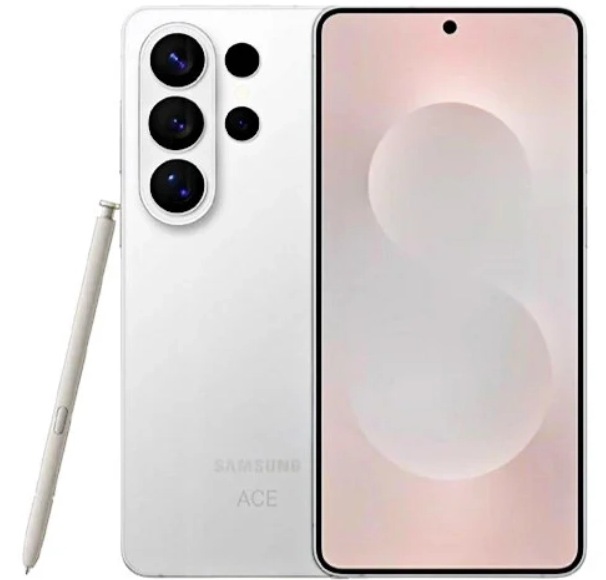
- Display: 6.9-inch Dynamic AMOLED 2X, 120Hz, 2,600 nits
- Chipset: Snapdragon 8 Elite Gen 5 (3nm) / Exynos 2600 (select markets)
- RAM: 12GB / 16GB
- Storage: 256GB / 512GB / 1TB
- Rear Cameras: 200MP main + 50MP ultrawide + 10MP 3x telephoto + 50MP 5x telephoto
- Built-in S Pen: Yes
- Battery: 5,000mAh
- Charging: 60W USB-PD wired, 25W wireless, 4.5W reverse wireless
- OS: Android 16 (One UI 8)
- IP Rating: IP68
You almost thought we would only be having Chinese brands on this list, didn’t you? Well, Samsung may be good at many things about smartphones, but they’re not among the best when it comes to fast charging.
For the S26 Ultra, which is the brand’s newest flagship, there’s 60W wired charging support and USB Power Delivery compatibility. The USB Power Delivery compatibility means you’re not obliged to use only Samsung’s proprietary chargers to enable the 60W fast charge. Actually, on other smartphones with fast charge technologies, you need the brand’s original charger to achieve those crazy fast charge speeds, as advertised, but Samsung has just changed the game.
The S26 Ultra’s 5,000mAh battery hits 100% in around 50 minutes at 60W, and it hits 78% in just 30 minutes. Samsung also implemented smart charge optimization that adjusts based on your daily routine, which helps extend battery longevity over time. Wireless charging hits 25W, and there’s 4.5W reverse wireless for accessories.
The rest of the S26 Ultra package needs little introduction, as they have been all over the news: best-in-class camera system, built-in S Pen stylus, massive 6.9-inch Dynamic AMOLED display, and One UI 8 on top of Android 16.
10. Google Pixel 10 Pro XL
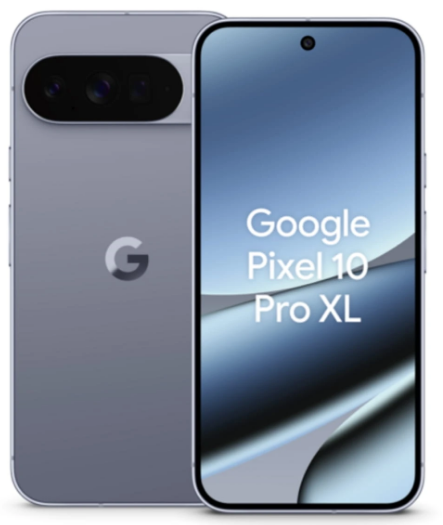
- Display: 6.8-inch LTPO OLED, 120Hz, 3,000 nits
- Chipset: Google Tensor G5 (3nm, TSMC)
- RAM: 12GB / 16GB
- Storage: 256GB / 512GB / 1TB
- Rear Cameras: 50MP main + 48MP ultrawide + 48MP periscope telephoto
- Battery: 5,200mAh
- Charging: 45W USB-PD wired, 25W wireless, 10W reverse wireless
- OS: Android 16 (7 years of updates guaranteed)
- IP Rating: IP68
Rounding out this list is Google’s flagship, the Pixel 10 Pro XL, which supports 45W wired charging. Yeah, it’s the slowest on this list, and Google makes no apologies for that. Apple doesn’t either with its 40W iPhone 17 Pro, for what it’s worth. Google’s argument is that the Tensor G5 chip is so power-efficient that you simply don’t need as large a battery or as aggressive a charging speed to get you through the day.
The phone does support Google’s Adaptive Charging feature, which studies your alarm schedule and trickle-charges the last portion of the battery slowly overnight, protecting the battery from the stress of fast charging during sleeping hours. There’s also 25W wireless charging and 10W reverse wireless charging. A full charge takes about 1 hour and 15 minutes, which is admittedly slow next to what the Chinese flagships are doing.
Where the Pixel 10 Pro XL shines is pure software intelligence. Google’s computational photography and AI-powered imaging features remain best in class. With 7 years of OS updates guaranteed, it’s one of the safest long-term investments in the Android space. Just keep your charger close.
Conclusion
Fast charging has reached a point in 2026 where plugging in for 30 minutes gives you a full day’s worth of power on most devices. At the top end, we have phones like the iQOO 13, Xiaomi 15 Ultra, Realme GT7 Pro, and OnePlus 15.
Meanwhile, models from Samsung and Google are telling us that raw wattage isn’t everything: compatibility, software intelligence, and long-term battery health also matter. Now, which of these catches your eye? We also previously did a roundup of the best Android phones with 8000mAh batteries for another perspective on performance and endurance.