
Have you ever finished writing, only to realize your content is too short, too long, or far from the required limit? That small mistake can waste time, affect quality, and make editing feel harder than it should be. A word counter helps you stay in control before the problem grows.
It gives you a clear number so that you can write, edit, and submit with more confidence.
Why Word Count Still Matters

Word count is not just a number on a screen. It affects readability, structure, SEO, academic rules, social media limits, and content quality. When you know your count early, you can plan better and avoid rushed edits.
Clear Writing Control
A word counter helps writers see the real size of their content. For example, a 500-word blog post needs a different structure from a 1,500-word article. If you guess, you may add weak points or cut useful ideas too late.
With a clear count, you can decide what to keep, what to shorten, and what needs more detail. As a result, your writing feels tighter and more useful.
Better Results for Writers
Writers often deal with limits from clients, editors, schools, or publishing platforms. Missing those limits can make good content look careless. A word counter reduces that risk by giving you instant feedback while you write.
Smarter Editing
Editing becomes easier when you know the exact count. Instead of reading the whole piece again just to check length, you can focus on improving weak areas.
For instance, if an article needs 1,000 words and you only have 720, you know the content needs more depth. But if you already have 1,300 words, you can remove repeated ideas and tighten the message.
Support for Students
Students often work with strict word limits for essays, assignments, reports, and applications. Going under the limit can make the work look thin, while going over may reduce marks or force last-minute changes.
Academic Confidence
A word counter helps students plan each section with care. A 1,200-word essay may need 150 words for the intro, 850 words for the body, and 200 words for the ending. This simple split keeps the writing balanced.
It also helps students avoid filler. Instead of adding empty sentences, they can add stronger examples, better arguments, and clearer explanations.
Value for Bloggers
Bloggers need content that is useful, readable, and well-structured. Too little content may not answer the reader’s question. Too much content may feel tiring if the extra words do not add value.
Stronger Blog Structure
A word counter helps bloggers build a clean outline before writing. For example:
- Introduction: 120 words
- Main points: 700 words
- Tips or examples: 250 words
- Final section: 100 words
Better SEO Planning
Search engines do not rank content by word count alone. Still, word count can support SEO when it helps the page answer a topic fully. The main goal is not to write more words, but to write enough useful content.
Useful Depth
A short page can rank if it solves the search intent. However, some topics need more explanation, examples, and context. A word counter helps you check if your article has enough room to answer the query properly.
For example, a quick definition may need 300 words, while a full comparison may need 1,200 words or more. The right count depends on the topic, not guesswork.
Faster Content Checks
Many writers lose time switching between writing, editing, and checking length. A word counter removes that friction. It gives a direct count, so you can make quick decisions.
Less Rework
When you track length during writing, you avoid major rewrites later. You can see when a section is becoming too long or when another section needs more support.
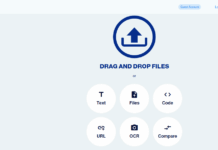
At the middle stage of writing, using a word counter can help you check word count, character count, and content length without breaking your workflow. This makes the process smoother and more accurate.
Stronger Social Media Writing
Social media platforms often have character or caption limits. Even when the limit is not strict, short and clear writing usually performs better.
Cleaner Captions
A word counter helps social media managers trim captions before posting. It also helps with ad copy, bios, product descriptions, and short updates.
For example, if a caption feels too long, checking the count can help you cut extra words while keeping the main message strong. This saves time and improves clarity.
Better Client Work
Freelancers and content teams often receive briefs with fixed limits. A client may ask for 800 words, 1,000 words, or a short product description under 150 words.
Professional Delivery
Meeting the required count shows care and discipline. It tells the client that you followed the brief. Also, it reduces back-and-forth edits.
A word counter helps you deliver content that fits the requested format. That means fewer corrections, faster approval, and a cleaner work process.
Practical Writing Habits
A word counter works best when it becomes part of your normal writing routine. It should not replace thinking, editing, or planning. Instead, it supports them.
Simple Workflow
Start with an outline. Add a rough word count for each section. Write your first draft without overthinking every line. Then check the count and adjust.
Here is a simple method:
- Set your target word count.
- Break the content into sections.
- Write the draft.
- Check the count.
- Expand useful points or remove weak lines.
- Read once for flow and clarity.
Common Word Count Mistakes To Avoid
Many writers make the same errors. They write without a target, add repeated points, or cut important details just to meet a limit.
Easy Fixes
If your content is too short, add examples, data, steps, or clearer explanations. If it is too long, remove repeated ideas, weak openings, and off-topic lines.
Also, check each paragraph. If a paragraph does not help the reader, it should be improved or removed. Good writing respects the reader’s time.
Final Thoughts
A word counter may look like a simple tool, but it solves a real writing problem. It helps you stop guessing, plan better, edit faster, and meet limits with confidence.