
Hard jobs need tools that can keep up. Whether someone works in a garage, on a construction site, in a utility room, or outside after dark, poor lighting can slow work and increase the risk of mistakes. A strong work light helps people see clearly, move safely, and stay focused in dusty, wet, cramped, or low-light spaces.
Practical job-site needs and common lighting features with a focus on what workers and DIY users need during long, demanding tasks. For readers of 3P Techies, the goal is simple: help buyers choose lighting that performs well in real-world conditions.
What Makes a Work Light Durable?

A durable light is not just bright. It should handle drops, resist dust, run long enough for the task, and stay useful in tight spaces. The best worklights combine toughness, smart design, and steady performance, so users do not have to stop often to adjust, recharge, or replace them.
Here are ten tips to help you choose lighting that can handle your hard jobs in 2026 and beyond:
Look for a rugged outer body
Start with the housing. A work light used in tough spaces should feel solid and should not crack easily if it falls from a bench, truck bed, or ladder step. Rubberized edges, reinforced corners, and impact-resistant materials can help protect it from bumps and drops.
Choose the right brightness level
Brightness is usually measured in lumens. Higher lumens can help light up a large room, driveway, crawl space, or job area. Lower settings can be better for close-up repairs, inspections, and small tasks where too much glare gets in the way.
A good work light should offer more than one brightness mode. This helps users match the light to the job and save battery power.
Check the beam pattern
Brightness alone is not enough. The beam pattern also matters. A wide flood beam works well for lighting a broad area, such as a garage floor or jobsite corner. A focused beam is better for pointing light at a specific part, wire, pipe, or machine section.
For many jobs, adjustable modes give the most flexibility.
Pay attention to battery life
Long jobs need dependable runtime. A light that fades halfway through a repair or inspection can cause problems. Buyers should check how long the light runs on each mode, not just the maximum runtime listed for the lowest setting.
Rechargeable lights can save money over time, especially for frequent use. Battery-powered models may still be useful when outlets are not nearby.
Features That Matter in Tough Conditions
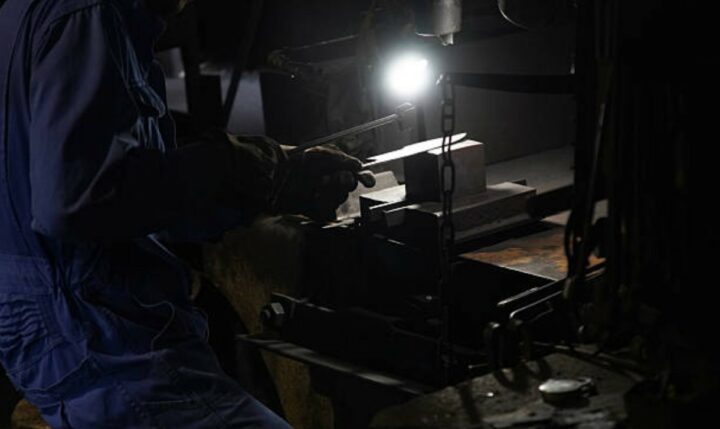
Hard jobs often happen in places that are not clean, bright, or easy to move around. This could be a construction site, a deep excavation environment, or a mining/heavy fabrication arena. The right features can make the light more useful and less frustrating.
Consider water and dust resistance
Work lights are often used near sawdust, dirt, oil, rain, and damp surfaces. This is where an IP rating can help. The International Electrotechnical Commission explains that IP ratings describe how well an enclosure protects against solids and water. The first digit relates to solid objects and dust, while the second relates to water protection.
For tough environments, buyers should look for a light with a rating that matches the conditions. A dry indoor workshop may not need the same protection as an outdoor repair job in wet weather.
Make sure it is easy to carry
A heavy light may be powerful, but it can become tiring to move or position. Portability matters for mechanics, contractors, inspectors, electricians, and DIY users who move between areas.
Compact work lights fit better in tool bags. Larger lights may be better for lighting a whole area.
Look for hands-free setup options
Many jobs require both hands. A useful work light should be easy to place, hang, clip, or mount. Magnetic bases, hooks, stands, and rotating heads can make a big difference.
A mechanic may need a magnetic base under the hood. A plumber may need a hook inside a cabinet. A contractor may need a stand that lights up a room corner.
Choose controls that are simple to use
A work light should not be complicated. Large buttons, clear modes, and easy angle adjustments are helpful when someone is wearing gloves or working quickly.
Too many settings can slow things down. A good design makes it easy to switch brightness, adjust the beam, or turn the light off without guessing.
How to Match the Light to the Job
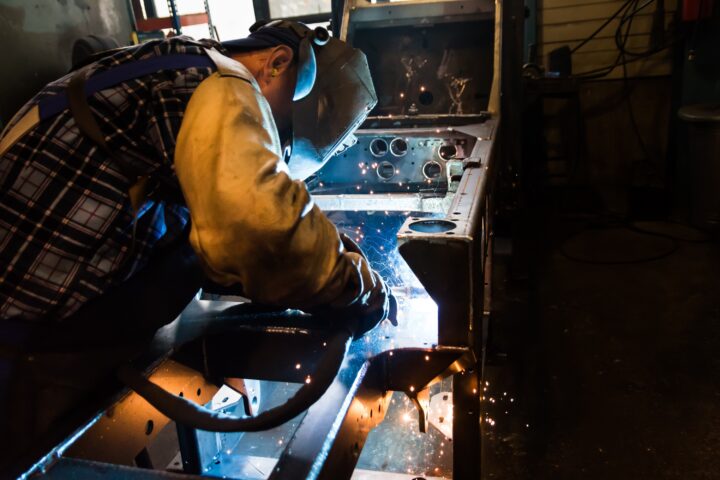
The best work light depends on the task. A small inspection light is not the same as a jobsite flood light, and a garage light may not be the best choice for outdoor work.
Think about where the light will be used most
Before buying, users should picture the jobs they do most often. For automotive work, compact lights with magnets and adjustable heads are useful. For construction or remodeling, larger lights with wide beams may be better. For emergency repairs, long battery life and simple operation should move higher on the list.
This step helps prevent choosing a light that is bright but not practical.
Do not ignore charging and backup plans
A durable light is only helpful if it is ready when needed. Rechargeable models should have clear charging indicators and reliable ports. For long shifts or remote jobs, backup batteries or a second light can prevent downtime.
It is also smart to store work lights where they are easy to find. A powerful light buried in a cluttered drawer will not help much during a late-night repair.
Better Lighting Makes Hard Work Easier
Choosing durable lighting is about more than picking the brightest option. The right work light should match the job, withstand rough handling, provide enough runtime, and remain easy to position in tight or dark spaces.
For hard jobs, small design details can make a big difference. A strong body, useful beam pattern, long battery life, simple controls, and hands-free setup all help workers finish tasks with more confidence. Good lighting will not do the job for anyone, but it can make every step safer, clearer, and easier to manage.