
Businesses don’t just use one office or network anymore. People work from home, from branch offices, from shared workspaces, and from the cloud. Employees also use laptops and phones from many different places. That’s why company data is always moving. This makes it harder to keep things safe than before.
Older security systems were made to protect one main office. They don’t work well when people and information are all over the place. Companies now need security that can protect them no matter where they are. This is why a lot of businesses are switching to newer security platforms that can easily connect systems and places.
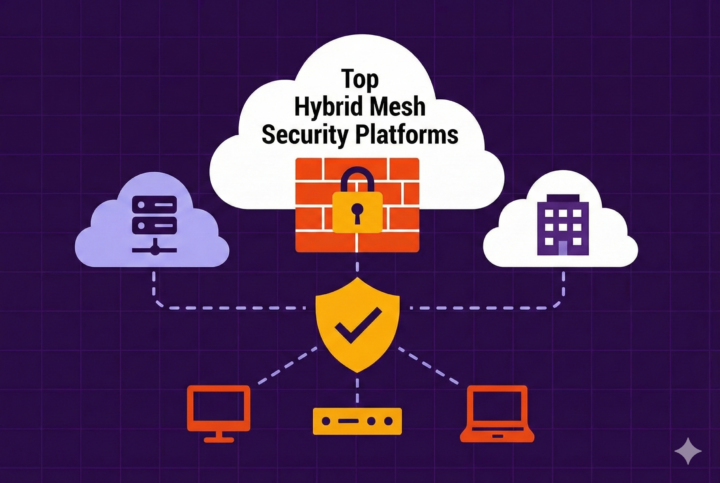
Here is a simple list of the best platforms that help businesses keep their networks, users, and data safe in a modern and flexible way.
1. Check Point
Check Point is one of the most well-known and trusted names in business security. One of the best things about Check Point is that it lets you manage security from a single control panel. This makes things easier for IT teams. They can quickly find and fix problems from one place. It also stops a lot of threats before they can do any damage.
People often choose Check Point because it is stable, reliable, and good for businesses that are growing.
Check Point is a good fit for a hybrid mesh security approach because it focuses on protecting users and being flexible.
2. Palo Alto Networks
Palo Alto Networks is focused on cloud computing systems and modern work environments. Its platform brings together network security, cloud security, and device security in one place.
The system reacts quickly when something strange happens. This is very useful for businesses that have workers who work from home.
Palo Alto Networks is a good choice for businesses that rely on cloud services a lot.
3. Fortinet
Fortinet protects offices, data centers, and cloud systems. Its platform links all of these parts so that they can work together. This helps businesses make sure that security rules are the same everywhere.
People also know Fortinet for being more affordable. It is a popular choice for many businesses because it offers strong protection at a low cost.
It works well for companies that have a lot of branches or locations.
4. Cisco
Cisco is a well-known name in networking, and it also makes good security tools. Its security platform keeps users safe no matter where they are.
Cisco is all about control and visibility. It helps businesses keep an eye on their networks and stop threats before they get too far. It also lets remote users safely access it.
It is usually easy for businesses that already use Cisco networking tools to add Cisco security products.
5. Zscaler
The cloud is where Zscaler does most of its work. It protects the user instead of a network location. This is very helpful when employees work from different places.
Zscaler’s cloud system checks all internet traffic before it gets to company apps. This helps stop threats before they get too far.
6. Microsoft
As part of its larger cloud services, Microsoft offers security. Adding security features to Microsoft tools is easy because many businesses already use them.
User identity, access control, and device safety are very important to Microsoft security. This is important when workers log in from different places.
This choice looks like it will be easy for businesses that already use Microsoft cloud services.
7. VMware
VMware is known for its cloud infrastructure and virtual systems. Its security tools protect systems in both private data centers and public clouds.
It makes sure that all businesses follow the same security rules. This helps people not make mistakes and get confused.
VMware is a good choice for companies that have complex systems and use more than one cloud.
8. Trend Micro
The main goal of Trend Micro is to protect devices and cloud workloads. It protects servers, apps, and the devices of employees.
It works with both new cloud apps and old systems. This is useful for companies that are slowly updating their technology.
People say that it’s simple to set up and use Trend Micro.
Wrapping it all up:
Companies are more spread out than they have ever been. People, data, and systems are no longer all in one place. This means that security needs to be able to change and be connected.
Businesses can easily and modernly protect everything with hybrid mesh security platforms. Each of the platforms above has its own strengths. What a company needs most and how it works will determine the best option. Picking the right solution helps keep systems safe and supports new ways of working.