
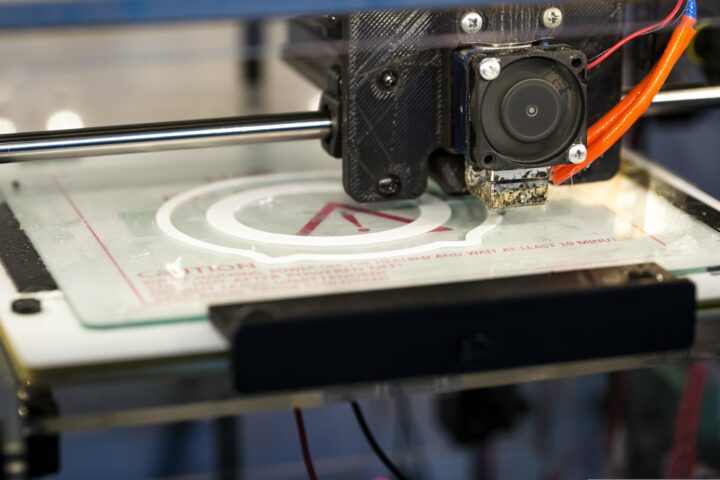
 3D printing gives businesses more control over how parts, tools, fixtures, prototypes, molds, jigs, and replacement components are made. Instead of buying every asset from a supplier, a company may produce some items internally using printers, materials, design files, and staff time.
That creates an accounting question: when should a 3D-printed item be expensed, and when should it be treated as a business asset?
The answer depends on use, cost, useful life, documentation, and whether the printed item provides future economic benefit.
Start With the Purpose of the Printed Item
The first step is to identify why the item was printed. A prototype used once for testing may be treated differently from a production fixture used for several years.
If the item supports daily operations, helps generate revenue, or will be used beyond one accounting period, it may need asset review.
If it is temporary, experimental, or consumed quickly, expensing may be more appropriate.
Finance teams should not rely only on the fact that the item was printed in-house. The business use matters more than the production method.
Know When It May Be a Fixed Asset
A 3D-printed item may qualify as a fixed asset if it is tangible, controlled by the business, used in operations, and expected to provide benefit over more than one reporting period.
Examples may include custom machine guards, tooling, production jigs, equipment mounts, durable fixtures, replacement parts, testing rigs, or reusable molds.
Businesses reviewing accounting for fixed assets should apply the same core principles to printed assets as they would to purchased equipment or constructed assets.
The main difference is that internal cost tracking becomes more important.
Separate Prototypes From Operational Assets
Not every 3D-printed item should be capitalized. Prototypes often go through many versions before a final design is approved.
Early design models, failed prints, sample parts, and test objects may be treated as research and development expenses, depending on the company’s accounting policy and reporting framework.
Operational assets are different.
If a printed item becomes part of the business process and is used repeatedly, it should be evaluated for capitalization.
The finance team should work with engineering, production, and operations to decide when a project moves from testing into active use.
Capture the Full Production Cost
Purchased assets usually come with a vendor invoice. 3D-printed assets may not. That means the business must build a cost record.
The cost may include filament, resin, powder, support materials, printer time, labor, design work, finishing, inspection, and related overhead where appropriate.
Do not guess after the fact.
Set up a job code, work order, or project file before production starts if the item may become a fixed asset.
Costs to Track
Useful cost categories include:
- Printing materials
- Design and engineering time
- Printer machine time
- Post-processing labor
- Finishing supplies
- Quality testing
- Assembly components
- Failed print analysis
- Direct project overhead
Good records make capitalization easier to support.
Set a Capitalization Threshold
A business should have a clear capitalization threshold. This prevents finance teams from capitalizing small items that are not worth tracking as fixed assets.
For example, a company may decide that printed items below a specific dollar amount are expensed unless they are part of a larger asset project.
The threshold should be documented in the fixed asset policy.
It should apply consistently to purchased assets, internally produced assets, and 3D-printed items.
Consistency matters because auditors and management need to understand why similar items are treated the same way.
Assign Useful Life and Depreciation
If a 3D-printed item is capitalized, it needs a useful life. This should reflect how long the asset is expected to support business operations.
Useful life may depend on material strength, production environment, wear rate, maintenance needs, and expected replacement cycle.
A plastic jig used daily on a production line may have a shorter life than a durable printed fixture used occasionally.
Depreciation should begin when the asset is ready for use, not necessarily when printing starts.
Maintain Asset Records
Once a printed item is capitalized, it should be tracked like any other fixed asset. Assign an asset ID, location, owner, description, cost, useful life, depreciation method, and in-service date.
Attach design files, cost sheets, photos, maintenance notes, and approval records.
Companies with changing reporting obligations may also need clean records when preparing statutory filings, tax records, or dormant company accounts.
The goal is to make the asset easy to identify, support, and review later.
Review for Impairment or Disposal
3D-printed assets may become obsolete quickly if designs change, materials fail, equipment is upgraded, or the process is redesigned.
Finance should review whether printed assets are still in use.
If an item breaks, is replaced, or no longer supports operations, it may need to be written off or removed from the asset register.
Operations should notify finance when printed tools, jigs, or fixtures are discarded.
Otherwise, the books may continue showing assets that no longer exist.
Build a Cross-Functional Process
3D-printed assets sit between engineering, operations, and finance. Without a process, finance may not know which printed items became operational assets.
Create a simple workflow.
Engineering identifies potential assets. Operations confirms use. Finance reviews cost, useful life, and capitalization. Management approves material items.
Process Controls to Use
Controls may include:
- Project codes for printed assets
- Capital request forms
- Print job cost sheets
- Asset approval steps
- Photo documentation
- In-service confirmation
- Periodic asset reviews
- Disposal notification
This keeps accounting aligned with actual production activity.
Final Thoughts
Accounting for 3D-printed business assets requires the same discipline used for purchased or constructed assets. The business must determine purpose, useful life, cost, control, and future benefit.
The challenge is documentation.
Because printed assets may not have a single supplier invoice, companies need clear cost tracking, approval steps, and asset records.
When finance, engineering, and operations work together, 3D-printed assets can be recorded accurately and managed with confidence.