
Mobile coverage across Canada shifts with distance from the nearest city. Service runs strong through downtown Toronto. The same picture holds in Vancouver as well as Calgary. Signal weakens along the ferry route to Tofino. It thins again on the prairie stretch west of Brandon. Travelers who expect even service across the country meet surprises at the worst moments.
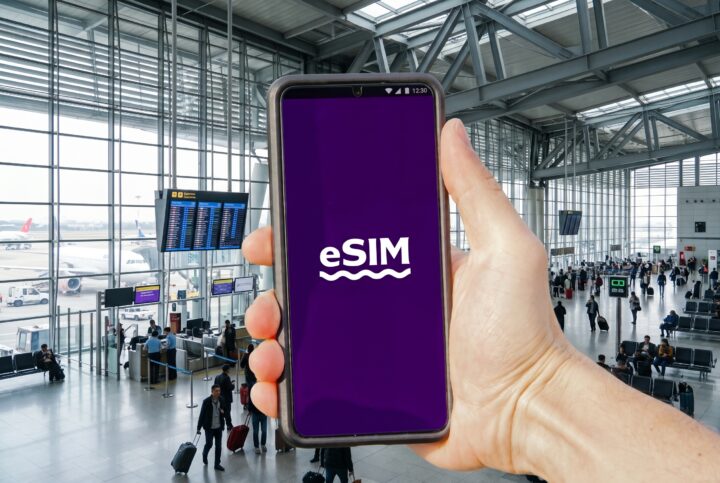
Coverage details sit in the fine print of every travel data plan. Partner reach determines the real result alongside speed tiers. Travelers who cover several provinces on one itinerary need service past the main centers. Nomad eSIM offers a Canada eSIM in flexible data sizes, with regional plans that stretch across neighboring countries. A check on those details before purchase saves hours of trouble on the road.
Partner Networks Decide the Real Reach of a Plan
A travel plan carries no towers of its own. It rides on agreements with Canadian carriers. Those agreements set the actual footprint. Plans tied to a single partner leave gaps around Prince George. Service drops through rural Saskatchewan on the same profile. Access to several national networks improves the odds of a usable signal on smaller highways.
The network list appears in the plan description on many product pages. A careful read of that list against the planned route clears the question up early. Broad partner access holds signal through Kamloops as well as Sudbury. An absent network list usually signals limited regional reach.
Signal Strength Changes from City Centers to Backroads
Coverage maps show a single shade over huge areas of the country. Real service varies inside that shade. A traveler sees full bars in Hamilton. The same phone shows two bars in Muskoka. Population density explains much of the difference across provinces.
- City centers such as Ottawa or Halifax carry the steadiest signal for video calls
- Mid-size towns like Kelowna or Sherbrooke support maps as well as messages without delay
- Rural highways in northern Ontario hold basic data for navigation at slower page loads
- Remote areas past Yellowknife may lose service for long stretches of the drive
- Ferry routes to Vancouver Island drop signal mid-route on several networks
Remote Routes Lose Signal for Long Stretches
National parks limit tower construction. Service stays patchy inside park boundaries. Banff townsite holds a signal. Trails deeper into the valley usually lose it. The same pattern shows in Gros Morne as well as Jasper. Rail travel from Toronto to Winnipeg passes through hours of low coverage north of Lake Superior.
Offline maps saved before a park entry prevent a lost route. A plan with generous data allows those downloads over hotel Wi-Fi in Calgary before the drive west. Visitors to Pacific Rim meet the same limits along the coast.
Speed Tiers Shape the Real Experience
Coverage shown on a map means little when speeds fall to a crawl. Many travel plans throttle after a set threshold. A live map then loads at a pace that frustrates a driver near Kenora. A plan listed as 5G in Vancouver may deliver 4G speeds in Trois-Rivières because of local tower equipment.
The speed after the throttle point appears in the plan terms. Video calls to family need steadier speeds. Text messages get through on a weaker signal. A plan that keeps usable speeds past the threshold supports work sessions from a rented cabin near Whistler. Peak evening hours in Montreal hotels slow shared networks further. Heavy upload needs call for a plan above the usual allowance.
Product Page Details Worth a Second Look
A few checks on the product page clear up much of the coverage question. A plan that passes every check suits a long route from Victoria to Halifax.
- Named partner carriers listed for Canadian service on the plan page
- Territory coverage stated for Yukon as well as the Northwest Territories
- Speed cap details written in plain terms with the throttled rate shown
- Hotspot permission confirmed for trips with a laptop in use
- Data top-up options available mid-trip without a second profile install
- Customer support hours matched to Canadian time zones from Newfoundland through British Columbia
Cross-Border Legs Need Coverage past the Canadian Side
Many itineraries dip south for a day. A drive from Niagara Falls into Buffalo crosses a network boundary in minutes. Coverage built around Canada alone stops at that border. The traveler then sits offline in Detroit.
A regional plan that covers several countries under one profile removes the need for a second purchase at the border. A Vancouver to Seattle leg benefits clearly from that setup. The country list on the product page confirms the match before purchase. Flexible data sizes help on a route that mixes short city stays with longer drives.
Patchy coverage remains the real risk on a Canadian trip. Partner reach settles much of the question alongside speed tiers. Park gaps as well as border limits account for the rest. A review of those points on the product page before purchase keeps maps steady from Victoria to St. John’s. Bookings as well as messages arrive on time. A Canada eSIM with broad network access suits a long itinerary across several provinces.