
Understanding the mechanics of smartphone maintenance, including the specialized hardware, diagnostic methods, and precision equipment required, is essential for any tech enthusiast. However, while studying repair principles is empowering, executing hardware servicing at home without industrial laboratory gear carries immense risk.
This comprehensive guide breaks down the technical reality of mobile device hardware, explores the critical role of Precision Screwdrivers for phone Repair, details the Essential tools for phone repair, and explains why trusting a professional service provider ensures your device receives safe, guaranteed, and expert restoration.
Understanding Modern Smartphone Hardware Architecture
Before examining hardware tools, it is crucial to understand why modern smartphones are so complex to service compared to consumer electronics of the past.
Modern mobile devices are built with zero wasted space. Component manufacturers use surface-mount technology (SMT) and multi-layer printed circuit boards (PCBs) with traces thinner than a human hair.
- IP68 Water Seals: Heavy industrial adhesives secure display assemblies and back glass panels to the midframe, requiring precise thermal management to prevent warping of OLED matrices.
- Proprietary Micro Fasteners: Internal shielding plates and ground brackets are locked in place using microscopic screws that require dedicated Precision Screwdrivers for phone Repair to avoid stripping.
- Sensitive Flex Cables: ZIF (Zero Insertion Force) and press-fit connectors connect biometric sensors, cameras, and display digitizers directly to the motherboard. A fraction of a millimeter of misdirected leverage can permanently sever these connections.
The Critical Role of Precision Screwdrivers for Phone Repair
Among diagnostic and assembly tools, high-tolerance driver sets are essential for working on mobile hardware. Smartphones do not use standard household fasteners; they rely on proprietary micro-screws engineered to prevent unauthorized tampering and secure internal shielding.
Why Standard Tools Fail?
Using off-the-shelf micro bits or generic drivers on smartphone fasteners is the fastest way to ruin a device. Standard bits lack the exact milling tolerances required for micro-fastener heads. When an oversized or improperly shaped bit is turned under torque, it shears off the internal profile of the screw head, creating a “stripped screw.”
Key Micro-Fastener Profiles in Modern Devices
- Pentalobe (P2, P5): Found exclusively on external enclosure points of Apple hardware. Using high-grade Precision Screwdrivers for phone Repair with S2 hardened steel tips ensures these 0.8mm star-shaped fasteners turn cleanly without slipping.
- Tri-Point (Y000): Widely used across internal battery shield brackets and sensor plates. Tri-Point screws require precise downward torque; utilizing inferior Precision Screwdrivers for phone Repair quickly strips the soft metal alloy.
- Torx & Torx Plus (T2–T5): Standard across Android motherboard mounts, Google Pixel internals, and camera bracket housing.
- Micro Phillips (PH000, PH00): Used for internal grounding brackets and structural chassis standoffs.
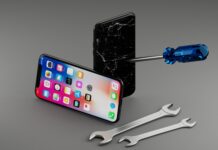
Having a dedicated set of precision screwdrivers for phone repair with magnetic tips, anti-slip handles, and smooth-swivel caps is non-negotiable for professional technicians. Using the right precision screwdrivers for phone repair protects internal grounding standoffs from damage during disassembly.
Essential Tools for Phone Repair: The Professional Arsenal
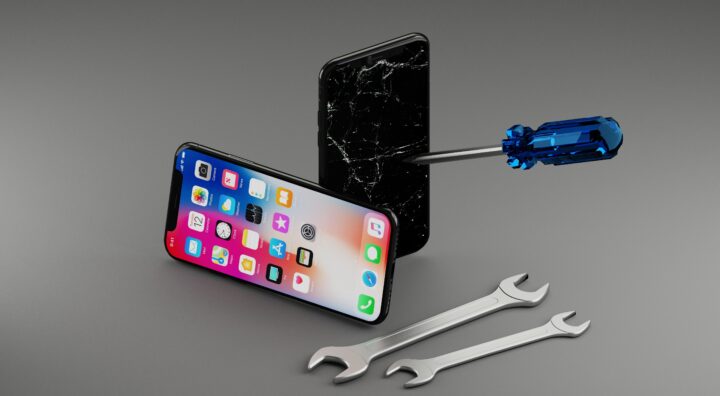
While Precision Screwdrivers for phone Repair allow access to internal components, a complete hardware restoration requires a vast array of specialized equipment. Examining these essential tools for phone repair highlights the vast gap between amateur home toolkits and commercial repair laboratories.
1. Thermal Separation Equipment
Because modern phones are held together with industrial adhesive rather than mechanical latches, thermal separation gear ranks high among Essential tools for phone repair.
- Controlled Thermal Heat Plates: Heating platforms maintain consistent temperatures between 60°C and 80°C to soften perimeter seals without causing heat spots or thermal damage to display layers.
- Precision Suction Clamps: These specialized Essential tools for phone repair apply uniform, calibrated upward lifting force on glass panels while holding the chassis firmly in place.
2. Electrostatic Discharge (ESD) Protection Systems
Static electricity is an invisible killer of mobile electronics. Human bodies carry static charges that can discharge into sensitive motherboard components without any visible spark.
- ESD-Safe Anti-Static Tweezers: Non-magnetic, anti-static-coated tweezers are Essential tools for phone repair when handling tiny screws, grounding clips, and delicate FPC connectors.
- Grounding Mats and Wrist Straps: Professional workstations connect directly to electrical earth grounds to continuously bleed off stray static voltage.
3. Board-Level Diagnostic Machinery
When a phone stops turning on, basic hand tools cannot pinpoint the cause. Advanced troubleshooting relies on laboratory diagnostic equipment:
- Trinocular Stereo Microscopes: High-power optical magnification provides the 3D depth perception needed to inspect solder joints, check for liquid corrosion, and locate cracked motherboard traces.
- Regulated DC Power Supplies & Digital Multimeters: Essential for analyzing boot-sequence current draw, tracing short circuits, and checking voltage drops across circuit capacitors.
- Hot Air Rework & Micro-Soldering Stations: Variable-temperature hot air stations allow technicians to reflow surface-mount chips, replace charging port assemblies, and repair damaged surface components safely.
Every professional workshop relies on these Essential tools for phone repair to diagnose and resolve complex hardware failures that home users simply cannot tackle.
Common Hardware Issues: Reality vs. Repair Risks
Understanding what goes wrong inside a smartphone helps explain why professional servicing is necessary for lasting results.
1. Cracked Screen and OLED Matrix Failure
- The Reality: A broken screen is rarely just cracked glass. Modern displays are complex layers: outer glass, a touch-sensitive digitizer, an OLED/LCD panel, and biometric sensors fused with optical clear adhesive (LOCA).
- The DIY Risk: Removing broken glass requires high thermal control and specialized wire separators. Uneven prying can easily puncture underlying OLED layers or cut delicate biometric flex cables, permanently disabling features like Face ID or fingerprint sensors.
2. Battery Degradation and Thermal Swelling
- The Reality: Lithium-ion batteries degrade chemically after 400 to 500 charge cycles, leading to rapid drain, unexpected shutdowns, or physical swelling.
- The DIY Risk: Smartphone batteries are glued down with aggressive adhesive strips. Prying against a battery with metal tools or excessive force can puncture the soft pouch, triggering violent thermal runaway, chemical fires, and toxic gas release.
3. Liquid Ingress and Internal Corrosion
- The Reality: When liquid enters a device, electrical current causes rapid electrolysis, corroding copper traces and depositing conductive mineral salts across logic board components.
- The DIY Risk: Placing a wet phone in rice or attempting to dry it with a hair dryer does not stop chemical corrosion. Without complete disassembly, ultrasonic bath cleaning, and circuit-level testing using specialized Essential tools for phone repair, corroded logic boards will short-circuit and fail permanently.
4. Charging Port & Audio IC Failure
- The Reality: Repeated cable insertions wear down mechanical contact pins inside the charging port, while physical drops can fracture solder balls beneath the audio codec IC.
- The DIY Risk: Modern charging assemblies integrate antenna lines, microphone arrays, and haptic motors. Attempting a port swap without micro-soldering gear and professional Precision Screwdrivers for phone Repair risks ruining wireless signal reception and microphone functionality.
Why DiyFixTool.com Is A Trusted Leader in Mobile Device Care
Acquiring commercial-grade diagnostic equipment, optical microscopes, specialized driver arrays like high-tolerance precision screwdrivers for phone repair, and thermal separation machinery demands thousands of dollars in investment—not to mention years of specialized technical training. While learning about mobile device mechanics is fascinating, attempting complex hardware servicing yourself carries substantial risk.
A trusted industry supply partners like Phonefix can be your ultimate partners for high-precision mobile device repairs and professional hardware solutions.
They strive to bridge the gap between technical understanding and convenient device restoration. Instead of risking damage to your primary device through DIY experimentation, their professional repair service center uses the industry’s highest-grade, calibrated tools and diagnostic equipment.
1. Enterprise-Grade Laboratory Instrumentation
Their specialized repair facility is fully equipped with industrial hot-air rework stations, trinocular optical microscopes, regulated DC power diagnostic units, and ESD-safe workstations. We service every device using the exact Essential tools for phone repair and calibrated Precision Screwdrivers for phone Repair that meet strict OEM tolerances.
2. Certified Master Technicians
The best tools are only as effective as the hands that operate them. Our certified technicians bring extensive experience in micro-soldering, board-level diagnostic trace repair, screen assembly, and battery recalibration across all major iOS and Android platforms.
3. Premium Quality Replacement Components
Tooling is only half of a successful repair; component quality determines longevity. At Diy Fix Tool, supported by leading technical suppliers, we source rigorously tested, high-grade replacement displays, OEM-spec batteries, and internal flex modules to ensure your device functions exactly like it did out of the box.
4. Stress-Free, Guaranteed Service
Attempting a DIY repair can lead to stripped screws, torn biometric flex cables, or ruined OLED panels. Choosing us eliminates the risk. We provide fast turnaround times, transparent service pricing, and robust warranty coverage on all completed repairs.
Save time, avoid costly DIY mistakes, and give your smartphone the professional service it deserves. You can visit their homepage at diyfixtool.com to request a quote or schedule a mobile repair service with their expert team!
Frequently Asked Questions
Why are specialized Precision Screwdrivers for phone Repair necessary?
Smartphones utilize tiny, proprietary micro-fasteners such as Pentalobe, Tri-Point, and micro-Torx screws. Using standard household screwdrivers will instantly strip these soft metal fastener heads, making internal component access impossible without destructive drilling.
What are the most Essential tools for phone repair during diagnostics?
Essential diagnostic tools include digital multimeters for checking circuit continuity, regulated DC power supplies to test system current draw, and high-magnification trinocular microscopes to spot microscopic logic board corrosion and broken PCB traces.
Can I replace a smartphone battery safely at home?
Replacing a battery at home carries significant risk because lithium-ion cells are secured with industrial adhesives. Prying against a battery without proper non-conductive tools or controlled heat can puncture the casing, causing dangerous chemical fires and toxic fumes.
What is “Long Screw Damage” and how do professionals avoid it?
“Long Screw Damage” occurs when a technician drives a slightly longer micro-screw into a short-screw standoff on a motherboard. The excess length pierces underlying circuit traces, permanently destroying logic board lines. Professional technicians at Diy Fix Tool use magnetic screw maps and calibrated Precision Screwdrivers for phone Repair to ensure every screw returns to its exact original location.
How does Diy Fix Tool guarantee a higher-quality repair than self-repair kits?
Diy Fix Tool uses enterprise equipment from premier partners to perform all servicing in ESD-safe environments, using industrial-grade thermal separators, precision optics, and certified OEM-spec replacement parts backed by comprehensive service warranties.