
For years, a hair straightener meant two hinged hot plates. Today, hair-care hardware has split into distinct engineering approaches. Air straighteners and heated straightening brushes now sit next to traditional flat irons, each relying on different thermal dynamics, airflow engineering, and sensor-driven controls to reshape hair strands.
In this post, I’ll break down the thermal engineering, smart app controls, and wet-to-dry tech behind air straighteners, flat irons, and straightening brushes. You’ll get to learn how each hardware format works under the hood, what smart features power modern air straighteners, and which hair types and routines suit each architecture best.
How a Flat Iron Works: Direct Conduction & Contact Heat
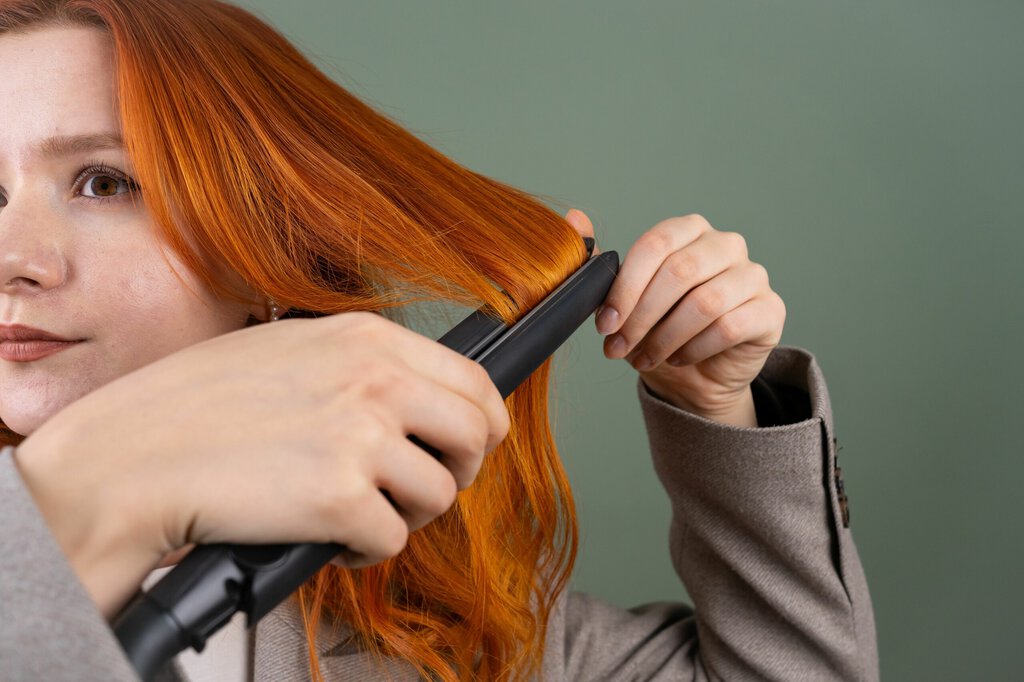
A flat iron relies on direct thermal conduction, pressing a section of hair between two heated plates to temporarily break and reset hydrogen bonds as the strand passes through. Because it applies high, direct surface heat, it works on dry hair only and delivers the flattest, sharpest finish of the three formats.
The engineering trade-off is cumulative heat exposure. Each pass presses hair directly against a hot plate, so thick or coarse hair that needs multiple passes absorbs significantly more thermal energy over a full session. Using plates on damp hair is a major pitfall: trapped moisture inside the hair shaft rapidly vaporizes into steam, causing structural damage.
How an Air Straightener Works: Aerodynamics, Sensors & Smart Controls
Instead of clamping hair between hot metal or ceramic plates, an air straightener uses high-velocity, directional airflow and controlled convection heat to dry, tension, and align hair at the same time. Because targeted airflow evaporates moisture rather than boiling it against a solid plate, it can safely start on towel-dried hair—something a traditional flat iron cannot do.
Dreame’s Aero Straight Pro illustrates how much consumer tech hardware has entered this category:
-
Wet-to-Dry Dual-Airflow Architecture: It dries and straightens from wet in a single step, using dual-airflow channels to smooth, tension, and set each section in one motion with less heat exposure than traditional multi-step styling.
-
AI Hair & Moisture Detection: Built-in smart sensors detect hair type and real-time moisture levels, dynamically calibrating heat and airflow output throughout the session so hair isn’t over-exposed once dry.
-
App-Guided Smart Control: Companion app connectivity lets users fine-tune temperature and airflow profiles to match their specific hair texture and styling preferences, turning a traditional bathroom appliance into a customizable smart device.
The resulting finish is smooth with natural movement rather than pin-straight, making it ideal for everyday styling. From a hardware efficiency standpoint, it consolidates two appliances (a blow-dryer and a flat iron) into one, cutting down both styling time and counter clutter.
Where a Straightening Brush Fits In: Multi-Point Heat & Cordless Engineering
A straightening brush bridges the gap between direct clamping and pure airflow. Instead of two flat plates, it uses an array of heated bristles to distribute heat across smaller subsections as you brush through dry hair. This reduces clamping tension and root tugging while preserving more natural volume than plates.
Modern designs also bring battery and ergonomic hardware upgrades to the category:
-
Cordless Runtime & Thermal Steps: Cordless models transform the brush into a portable touch-up device. Dreame’s Silky, for example, delivers up to 50 minutes of cordless runtime and features seven precision heat settings ranging from 284°F to 392°F (140°C to 200°C) to accommodate different hair sensitivities.
-
5D Brush Geometry & Travel Hardware: Its wide 5D brush head increases surface contact for faster detangling and smoothing on thick hair, while an integrated flight lock prevents accidental activation inside a carry-on or gym bag.
Quick Hardware & Performance Comparison
| Feature / Spec | Air Straightener | Flat Iron | Straightening Brush |
| Primary Mechanism | High-velocity dual airflow + controlled heat | Direct thermal conduction (two heated plates) | Multi-point heated bristles |
| Wet-to-Dry Capability | Yes (starts on towel-dried hair) | No (dry hair only) | No (dry hair only) |
| Smart & Hardware Tech | AI hair/moisture sensors, auto-adjusting output, app control (e.g., Dreame Aero Straight Pro) | Digital thermostat/plate heating | Cordless battery (up to 50 min), 7 heat tiers, 5D head, flight lock (e.g., Dreame Silky) |
| Finish & Styling Result | Smooth with natural movement | Pin-straight, sleekest finish | Softened waves, retains natural volume |
Which Straightener Architecture Suits Your Routine?
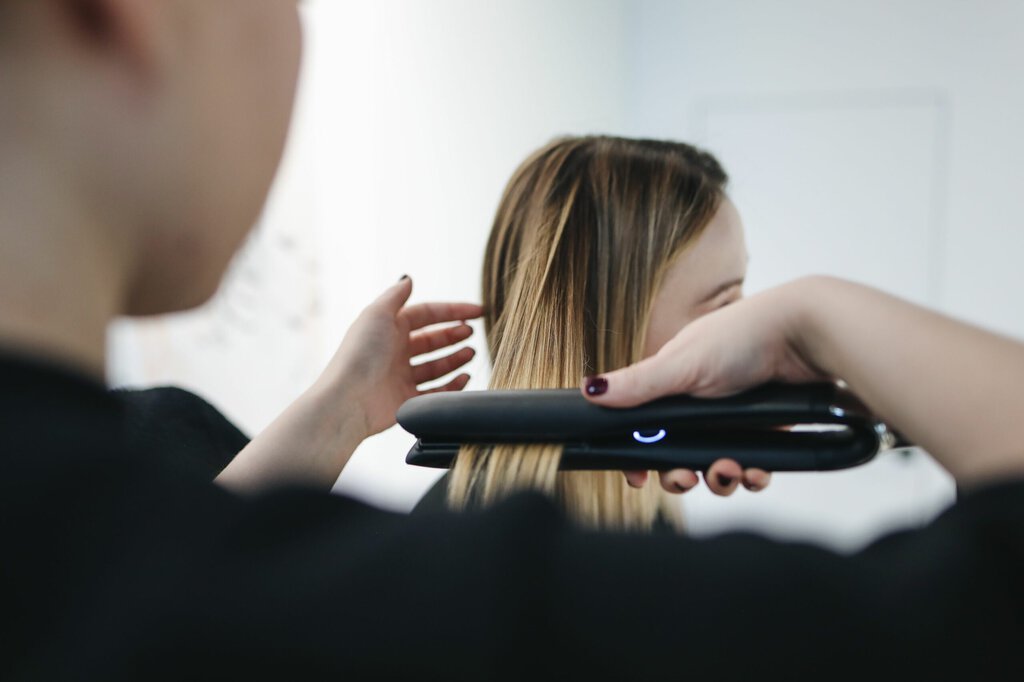
Choosing the right tool comes down to your hair density, heat tolerance, and when you style; not just peak wattage or maximum temperature.
-
Thick or coarse hair: An air straightener eliminates the separate blow-dry step, where you lose most of your styling time. A flat iron still delivers the sleekest, sharpest finish if you are willing to dry your hair completely first. (For a deeper breakdown of high-density hair picks, check out Dreame’s guide to the best hair straightener for thick hair, which compares options by texture and routine.)
-
Fine or color-treated hair: Lower, steady thermal control is critical to prevent cuticle damage. Look for sensor-regulated heat or multi-step temperature controls and minimize repeat passes.
-
Wavy hair that needs smoothing, not flattening: A heated straightening brush relaxes frizz and waves without compressing natural volume.
-
On-the-go touch-ups: A cordless straightening brush with a travel lock handles second-day frizz at a desk, in a car, or in a hotel room without needing a wall outlet.
If you style right after showering, a smart wet-to-dry air straightener offers the biggest workflow upgrade. If you primarily tame frizz between washes or while traveling, a cordless straightening brush is built for portability. You can explore both formats side by side on Dreame’s hair straightener range page to match the hardware to your daily routine.